


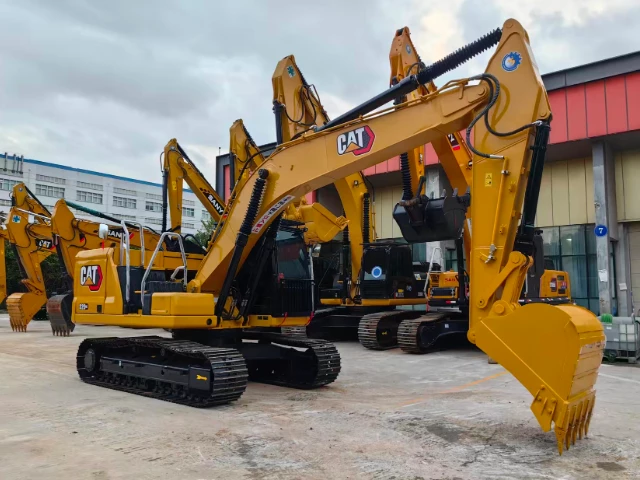
Top 5 Things to Inspect Before Buying a Used Caterpillar 345GC Excavator
Release time: 2026-02-12
Table des matières
Investing in a used excavator is a significant financial decision, and when the machine in question is a workhorse like the Caterpillar 345GC, due diligence is non-negotiable. Renowned for its balance of performance, efficiency, and reliability in the 45-ton class, a well-maintained Used Caterpillar 345GC Excavator can be a cornerstone asset for your operation. However, the key to unlocking its value lies in a thorough pre-purchase inspection. This guide walks you through the five most critical areas to scrutinize, ensuring your investment is sound and ready for the job site.


Comprehensive Service History and Documentation
Begin your inspection with paperwork, not the machine. A documented service history is the single best indicator of how a used excavator has been treated. For a Caterpillar 345GC 45ton Used Excavator, you should look for records of:
Scheduled Maintenance: Confirm adherence to Cat’s recommended intervals for engine oil, hydraulic oil, filters, and final drives.
Major Component Overhauls: Check for documentation on hydraulic pump servicing, swing bearing replacement, or undercarriage rebuilds.
Fluid Analysis Reports: Professional fleets often use oil and hydraulic fluid analysis (S·O·S Services). These reports can reveal internal wear patterns long before a failure occurs, providing a data-driven health check.
A machine with a complete, verifiable logbook often commands a higher price, and for good reason—it significantly reduces unknown risks. If the history is sparse, prepare to budget more heavily for potential immediate servicing.
Undercarriage Wear: The Foundation of Value
The undercarriage is one of the most expensive components to repair or replace, often constituting 20-30% of the machine’s residual value. For a 45-ton machine like the 345GC, this cost is substantial. Inspect meticulously:
Track Chain and Links: Look for excessive wear on the link height and check for cracks or broken links.
Sprockets and Idlers: Sprocket teeth should be symmetrical, not hooked or pointed. Idlers and rollers should spin freely without excessive side-to-side play or visible grooves from the track chain.
Track Shoe Wear: Measure the remaining height of the grousers. Worn-down shoes reduce traction and efficiency.
Industry data suggests undercarriage wear is accelerated by abrasive conditions (like rock or sand) and improper track tension. A machine with 70% or more undercarriage life remaining is generally considered a good find.
Hydraulic System Integrity and Performance
The hydraulic system is the lifeblood of the excavator. Test the machine under load if possible.
Visual Inspection: Check all hydraulic cylinders for scoring, pitting, or oil leaks around the rod seals. Inspect hoses for cracks, bulges, and abrasions.
Performance Checks: Operate all functions simultaneously (e.g., swing while lifting the arm). Listen for unusual whines or groans from the pumps. Watch for jerky or slow movement, which could indicate pump wear, valve issues, or internal cylinder bypass.
Hydraulic Oil Condition: Check the oil level and its condition. Milky oil indicates water contamination, while a burnt smell suggests overheating—both are red flags requiring immediate and costly system flushing.
Structural Integrity: Boom, Stick, and Frame
Stress cracks and repairs in the main structure can lead to catastrophic failure. Bring a flashlight and inspect carefully.
Weld Points and Stress Areas: Examine all weld seams on the boom, stick, and where the boom connects to the house (the “foot”). Look for hairline cracks, especially around reinforcement plates.
Previous Repairs: Identify any areas that have been previously welded. A professional, clean repair may be acceptable, but a patchy, uneven weld could be a sign of a rushed fix.
Frame and Swing Bearing: Check for cracks in the main frame and ensure the swing bearing is tight with no noticeable play or grinding when rotating the upper structure.
Engine Health and Electronics
Finally, assess the heart and brain of the machine.
Engine Operation: Start the engine from cold. Listen for smooth startup without excessive smoke. Once warm, blue smoke indicates oil burning, while black smoke suggests incomplete fuel combustion. Check for any coolant or oil leaks.
Electronic Controls: The Cat 345GC features advanced electronic control systems. Cycle through all monitor functions. Test the operation of different power modes and any auxiliary hydraulic functions. Ensure all gauges, warning lights, and safety systems (like swing alarms) are functional.
Cooling System: Inspect the radiator for debris and check coolant levels and quality. Overheating is a common cause of major engine damage.
Summary and Final Recommendation
Purchasing a Used Excavator For Sale is a balance of risk and reward. Focusing on these five pillars—documentation, undercarriage, hydraulics, structure, and engine/electronics—will give you a realistic picture of the machine’s condition and future cost of ownership. According to industry analyses from equipment auction houses, machines with verifiable maintenance and moderate undercarriage wear retain up to 15-25% more resale value over a three-year ownership period compared to undocumented units.
While a thorough personal inspection is vital, for a high-value asset like a used Cat 345GC, hiring a qualified third-party inspector or a local Cat dealer technician for a professional evaluation is a wise investment. Their expertise can uncover hidden issues, provide objective wear measurements, and ultimately give you the confidence to negotiate a fair price or walk away from a potential money pit. Your goal is not just to buy a machine, but to invest in a reliable partner for your business.

